
Our Approach
We operate community-based malaria centers providing free testing, diagnosis, treatment, prevention and education to underserved rural communities in Uganda.
Malaria remains one of the leading causes of illness and death in Uganda, particularly among young children and pregnant women. We work directly in rural communities to address barriers to care through three key interventions:
Our Core Services
Our programs focus on improving access to care in high malaria burdened areas where distance, cost and limited health infrastructure often delay life saving testing and treatment.
Malaria Testing & Treatment
The Malaria Center provides feasible access to malaria testing and treatment which is a critical component of Healing Faith’s Malaria Outreach Program. Each patient receives not only testing and access to a full range of treatments depending on the severity of the malaria, but also receives lifesaving education regarding the signs, symptoms, and treatment of malaria.
In the afternoons when the patients have been cleared, the staff reach out and perform follows up with the severe cases of malaria by visiting the patients in their home.
This allows the nurses to perform follow-up care, ensure compliance with medication and also allows the Social Worker to see the patient in their home environment and provide additional education and prevention strategies.
By opening the Malaria Center doors 5 days a week, initiating the patient follow up protocols and the outreach program and expanding its circle of influence, Healing Faith has had a direct impact of many families within the local communities.
Transport to Facilities
When the patient is deemed too severe to be treated at the Malaria Center or those requiring a blood transfusion, they are labeled as a “referral case” and taken to Jinja. These patients are stabilized by the medical staff at the Malaria Center, then transported by and attended to by Healing Faith medical team including a nurse, outreach team member and a driver.
Patient care is transferred to the receiving facility. Many of the patients requiring a transfusion would have succumbed to the malaria had it not been for the early recognition, diagnosis, stabilization and transport by the medical team.
Prevention Education
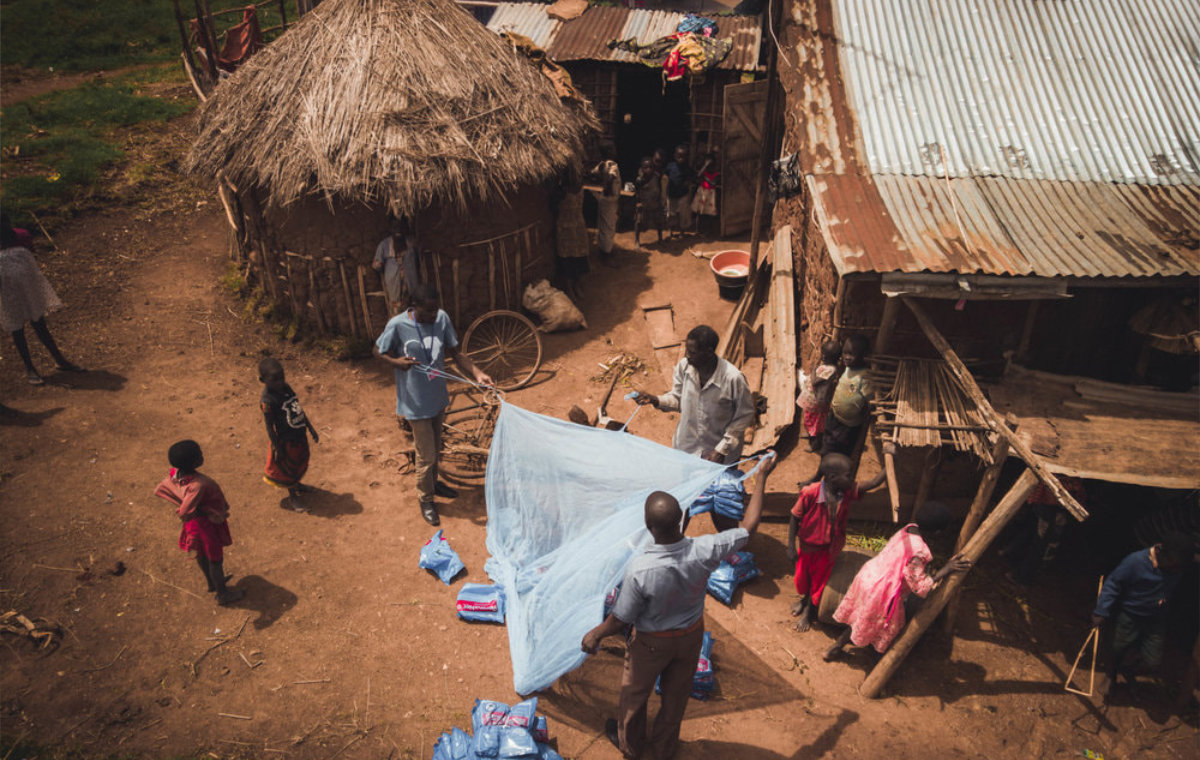
Education remains the most valuable tool in equipping families to fight malaria. Healing Faith Outreach team continues to work in conjunction with local leaders, pastors, Local Chairpersons (LC), and Village Health Teams (VHT) to empower families to help themselves and their communities fight malaria.
We further expanded into local schools to teach malaria education and prevention strategies to school aged children. The focus is to educate the youth to make lifelong lifestyle changes in their approach to malaria prevention. This education at a young age can lead to generational change in the fight against malaria.
Pregnant Patients
Pregnant patients is a demographic the Malaria Centers have seen a sharp increase in. With the addition of registered mid-wives/nurses on staff we are better able to serve this population.
Malaria during pregnancy can be not only life threatening to the mother but to the unborn child as well. Malaria during pregnancy can lead to pre-term labor, low birth weight, or death of the child. When pregnant women come in they are seen by the mid-wives and educated not only on malaria but prenatal care as well. For many of the women in the rural areas this may be the only prenatal care they receive.